Customer Projects
Perfect transfer Cart focus on custom heavy duty transport,offers professional and customized services to clients



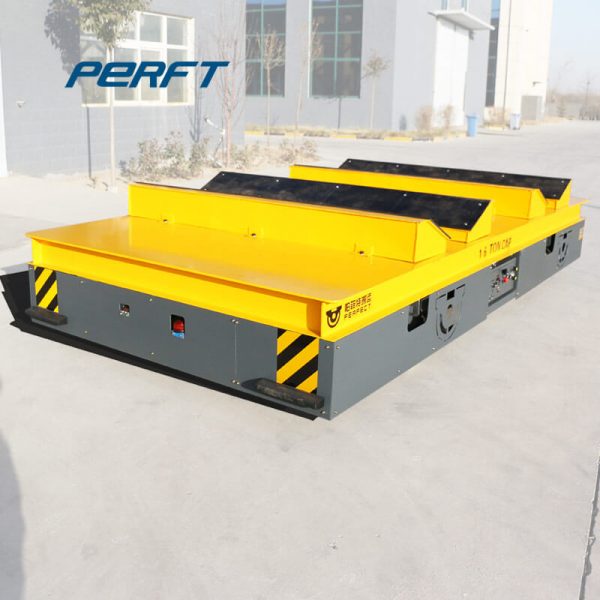
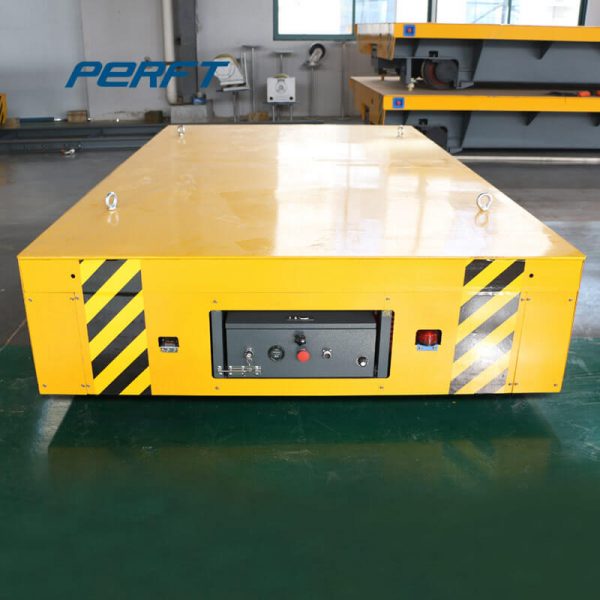
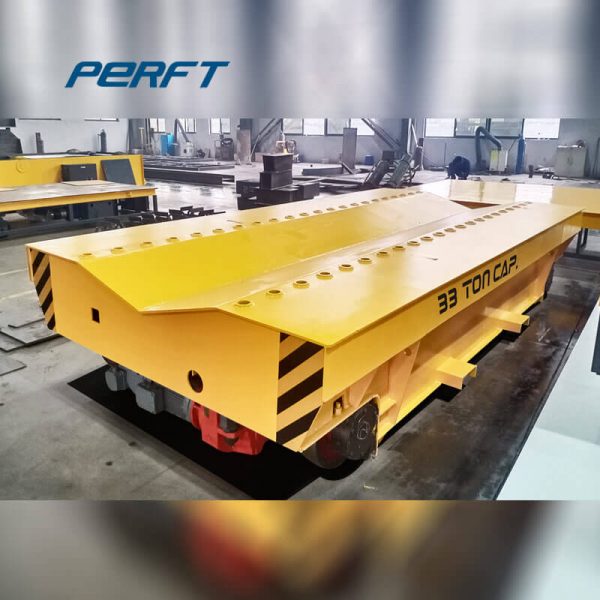


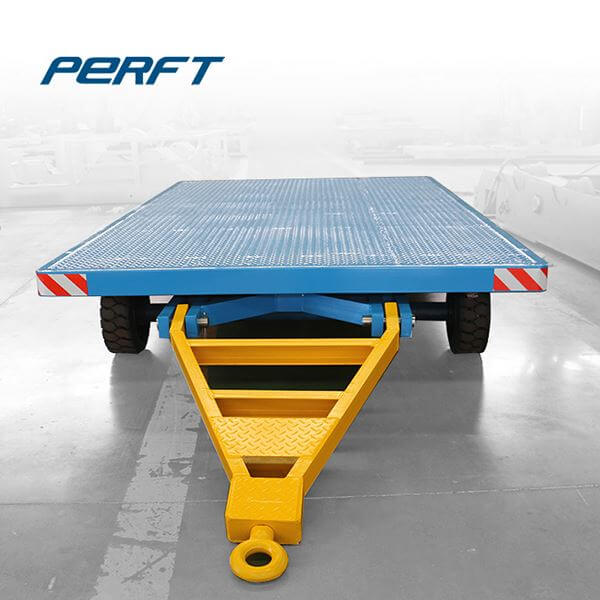


This article introduces speed control of trackless electric transfer carts. It covers typical running speeds, multiple control methods including controller setup, remote operation, VFD and intelligent automatic speed regulation. It also analyzes influencing factors, scenario-based speed selection and safety guidelines, answering common FAQs to guide safe and stable operation.
今天 11:46
What are the typical running speeds of trackless electric transfer carts?
How does a VFD control the speed of a trackless electric transfer cart?
What are the safety guidelines for operating a trackless electric transfer cart?

The PERFECT BWP Series Trackless Transfer Cart offers customized heavy-duty material handling solutions from 1 to 150 tons. With battery power, flexible steering, and no rail requirements, it efficiently transports molds, steel coils, transformers, machinery, and oversized workpieces. Custom platforms, intelligent safety systems, and optional PLC control meet diverse industrial needs. Designed for flexible factory logistics, it helps reduce installation costs, improve handling efficiency, and support reliable material movement across manufacturing facilities.

Trackless transfer cart with an integrated weighing system combines heavy-duty material transportation with real-time weight measurement. With a standard capacity of 20 tons and customizable options from 1 to 300 tons, it suits steel processing, mold manufacturing, automotive assembly, foundries, and warehousing. Its built-in weighing sensors reduce repeated handling, improve workflow efficiency, and help prevent overloading. Flexible power supplies, remote control, automatic operation, and optional data integration make it a practical solution for modern industrial material handling and inventory management.

This article introduces PERFECT BXC‑100‑ton rail‑guided electric transfer cart for moving oversized, ultra‑heavy workpieces. It features reinforced steel frames, continuous rail power supply, complete safety safeguards and wireless remote control. Suitable for heavy machinery, steel‑structure, metallurgy and mold workshops, this customisable cart improves handling efficiency, cuts labour costs and supports stable heavy‑industry production.

This paper introduces the 6-ton rotary rail transfer table, a key auxiliary device for workshop rail transfer carts. It solves the direction-switching limitations of traditional fixed rail systems via 360° rotation and precise rail alignment. Featuring strong compatibility, customizable design and durable structure, it boosts material handling efficiency, avoids massive rail reconstruction, and suits various industrial workshop scenarios for flexible heavy material transportation.

Weld slag inclusion is a common internal defect that can affect the structural strength and long-term reliability of electric transfer cart frames. This article explains how slag inclusion forms, its main causes, potential effects on effective weld strength, stress concentration and fatigue cracking, and different levels of defect severity. It also covers critical frame weld areas, prevention methods, inspection procedures, and proper repair solutions. These practical guidelines help manufacturers and buyers improve weld quality, reduce structural risks, and ensure safer, more reliable heavy-duty transfer cart operation.

This practical guide explains how to install, wire, pair, and commission a wireless remote control on an electric transfer cart. It covers receiver mounting, antenna installation, power and movement signal wiring, emergency-stop integration, transmitter-receiver pairing, and no-load testing. The article also addresses common problems such as weak signals, incorrect functions, unexpected movement, and emergency-stop failure. Proper wiring, antenna positioning, electrical safety, and regular maintenance help ensure reliable wireless operation for rail transfer carts, trackless transfer carts, and battery-powered models.

This article explores 1–1200 ton custom ladle transfer carts designed for high-temperature metallurgical handling. It covers load customization, heat-resistant protection, dual-drive systems, soft start-stop control, safety features, power options, applications, and key selection parameters, helping steel mills, foundries, and non-ferrous metal plants achieve safer, more stable, and efficient heavy-duty material transportation.

20–120 ton omnidirectional heavy-duty AGV is designed for precise, unmanned transportation of heavy loads in modern smart factories. With four-wheel drive, eight-wheel load-bearing, omnidirectional movement and ±5 mm positioning accuracy, it handles narrow aisles and complex workshop layouts with ease. Hydraulic lifting, multiple power options and multi-layer safety protection further improve flexibility and operational reliability. Suitable for aerospace, automotive, heavy machinery, power equipment and smart warehousing, it provides a customizable, efficient solution for medium- and large-tonnage automated material handling.